

We use cookies to ensure that we give you the best experience on our website.
By using this site, you agree to our use of cookies. Find out more.
 January 05, 2026
|
January 05, 2026
|
 |
|
 Video Analytics
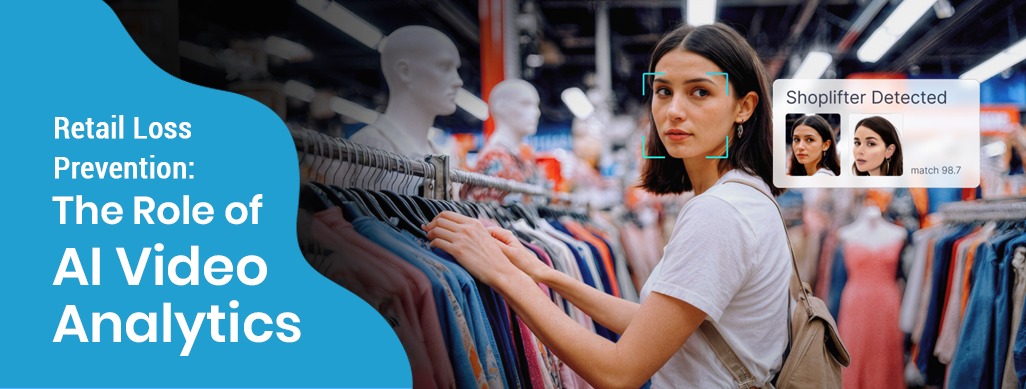
Things have changed quite a bit from just having security guards and CCTV systems. As stores get ready for 2026, they are facing more loss, organized crime, and problems with how they run things. Because of this, they are starting to use smarter ways to handle these issues, using data to guide them. One big tech that's changing things is AI video analytics. Stores now depend on video analytics to stop loss before it happens, make the way the store runs smoother, and give customers a better experience. Here is the blog explaining to you about the role of AI video analytics in a detailed manner and will help you in deciding the top things to consider while choosing a video analytics solutions.
Loss in stores is still a worry all over the world because of shoplifting, employees stealing, scams, and mistakes. With more shopping happening online and stores adding digital parts to their shops, the old ways of stopping loss just do not cut it anymore. Watching security footage takes too much time, happens after the fact, and people make mistakes.
By 2026, stores will probably see sneakier ways of stealing, so they will need to use machines and smart systems. This is where an AI video analytics solution can really help, changing regular video into useful information.
AI Video Analytics uses computers to see, learn, and understand what is in videos as they are happening or after they have been recorded. Compared to regular security systems, even security professionals can spot what is happening, know what it means, and understand patterns. It is a great way of streamlining the business workflow in an efficient manner.
Also Read: Video Analytics Benefits for Security Professionals
For stopping loss, these systems can find things like someone hanging around too long, hiding items, going into places they should not, or acting strangely. The video analytics system is made to work in actual stores, so it does not set off alarms for no reason but still catches real problems.
Retail loss prevention is all about the things stores do to cut down on losses from theft, fraud, and mistakes. In retail, loss is often called shrinkage, and it can happen for a bunch of reasons:
* Shoplifting
* Employee theft
* Mistakes in paperwork
* Dishonest vendors
* Damage or misplaced products
Basically, retail loss prevention tries to reduce shrinkage, make stores run smoother, and keep customers safe. To do this, stores use tech, train workers, and have experts called loss prevention specialists. These specialists check store data, watch security cameras, and put security measures in place.
In today's world, retail has its good and bad sides. Online shopping is still getting bigger, but brick-and-mortar stores are still important for connecting with shoppers. The thing is, criminals are getting smarter and using more tech, so protecting stores from losses has to change, too.
Given below are the vital roles of AI video analytics explained in detail:
One of the best things about video analytics is that it can stop loss before it even starts. By 2026, stores will be more about stopping things before they happen instead of just reacting to them. It is an amazing way through which you can reduce the risk of loss and have the potential for success in your way ahead.
AI Video Analytics can send alerts right away when it sees something risky. If someone keeps going to the expensive aisles without buying anything, or if a group of people are moving together in a way that looks suspicious, the system tells the store workers right away. This lets the workers step in quietly and stop the stealing without bothering real customers.
Organized crime in stores is getting more complicated, with groups hitting many stores. Even AI video analytics software can help find these patterns by watching what happens in different stores over time.
The system can use face-knowing tech (if allowed by law), follow objects, and watch how people move to flag people who steal often or groups that are working together. It can also link this info with what is sold at the register, who is entering the store, and what is in the inventory to give stores a full plan for stopping loss.
It is not just about stopping people from outside the store. Employees can also steal or break the rules, which adds to loss. Video analytics makes sure employees are doing what they should by watching areas like stockrooms and cash areas.
By 2026, AI video analytics will likely be used to spot when employees break rules, like going into places they should not or not following safety rules. These systems can also keep employees safe by finding violence, slips and falls, or other emergencies so help can arrive faster.
Video analytics can do more than just find thieves. Stores are starting to see it as a way to get business smarts. AI systems can watch how customers move, how long they stay, how long the lines are, and when the busiest times are.
Although video analytics services can help stores set up their layout better, schedule workers better, and plan how to sell things. This also helps stop loss because having enough workers during busy times means fewer blind spots for thieves to take advantage of.
As more stores use video analytics, it is important to keep privacy and follow the rules. By 2026, using AI in an ethical way and following data laws will be a must.
The video analytics systems have privacy pieces built in, like hiding faces, letting only certain people see the data, and having rules for how long data is kept. Stores can stop loss well while still keeping customer trust by using video analytics in a way that is open and follows the rules.
Given below are the different challenges and approaches of video analytics solutions explained in table format:
Loss Prevention Challenges | Traditional Approach | AI Video Analytics Solution | Impact on Retail Industry in 2026 |
Shoplifting & Theft
| Manual CCTV monitoring approach | Real-time behavior detection and alerts | Proactive theft prevention and less shrinkage |
| Organized Retail Crime (ORC) | Incident-based review | Pattern recognition across different stores | Early detection of coordinated crime networks |
| Employee Theft | Periodic audits | Continuous monitoring of restricted areas | Enhanced accountability and compliance |
| False Alarms | Motion-based alerts | AI-driven contextual analysis | Less false positives and faster response |
| Blind Spots in Stores | Fixed camera coverage | Smart tracking across zones | Better visibility and risk coverage |
| Incident Response Time | Post-incident action | Instant alerts and insights | Quick intervention and damage control |
| Customer Experience | Security-first approach | Discreet AI-based monitoring | Improved safety without customer disruption |
| Data & Reporting | Manual reports | Automated analytics dashboards | Data-driven loss prevention strategies |
Looking ahead, AI video analytics will be a key part of how stores stop loss. Linking it with other sensors, systems that guess what will happen, and online platforms will make it even better.
Stores that work with a video analytics company will get systems that keep learning and changing as new problems come up and stores change. In 2026, stopping loss well will mean guessing what is going to happen and stopping it before it does, all through smart video analytics tools.
Stopping loss in 2026 means using smarter decision-making and faster systems. AI video analytics is changing how stores keep their stuff, workers, and customers safe. By putting money into video analytics, stores can lower loss, fight organized crime, and get smart info about how their business runs, all while making shopping better for everyone. So what are you waiting for? Reach out to us to get the best assistance because we, as a video analytics company, have a team of experts and, of course, the reliable expertise to provide you the best experience and help you achieve the ultimate success in one go.
1. How does AI video help cut down on shoplifting?
AI video watches how people act in a store as it happens. It spots anyone doing something shady and sends alerts right away. This helps workers stop theft before it happens, which lowers how much stores lose overall.
2. Can AI video stop big-time shoplifters?
AI video can spot when the same things happen over and over. It can also follow groups moving together in different stores. This helps stores find big-time shoplifting rings early. By using what the data shows, stores can lower their losses.
3. Does AI video follow privacy rules?
The newest AI video setups have privacy built in. They can hide faces, limit who sees what, and keep info safe. This makes sure they follow all the changing rules about keeping data private.
4. What good things will AI video bring to stores by 2026?
By 2026, stores will be able to stop losses before they happen. They'll react to problems quicker, get fewer false alarms, make stores safer, and get tips that make the store run better and improve shopping for customers.

Don’t Worry we are here to increase your business potential with our result-oriented solutions.


Leave a Comment
Your email address will not be published.